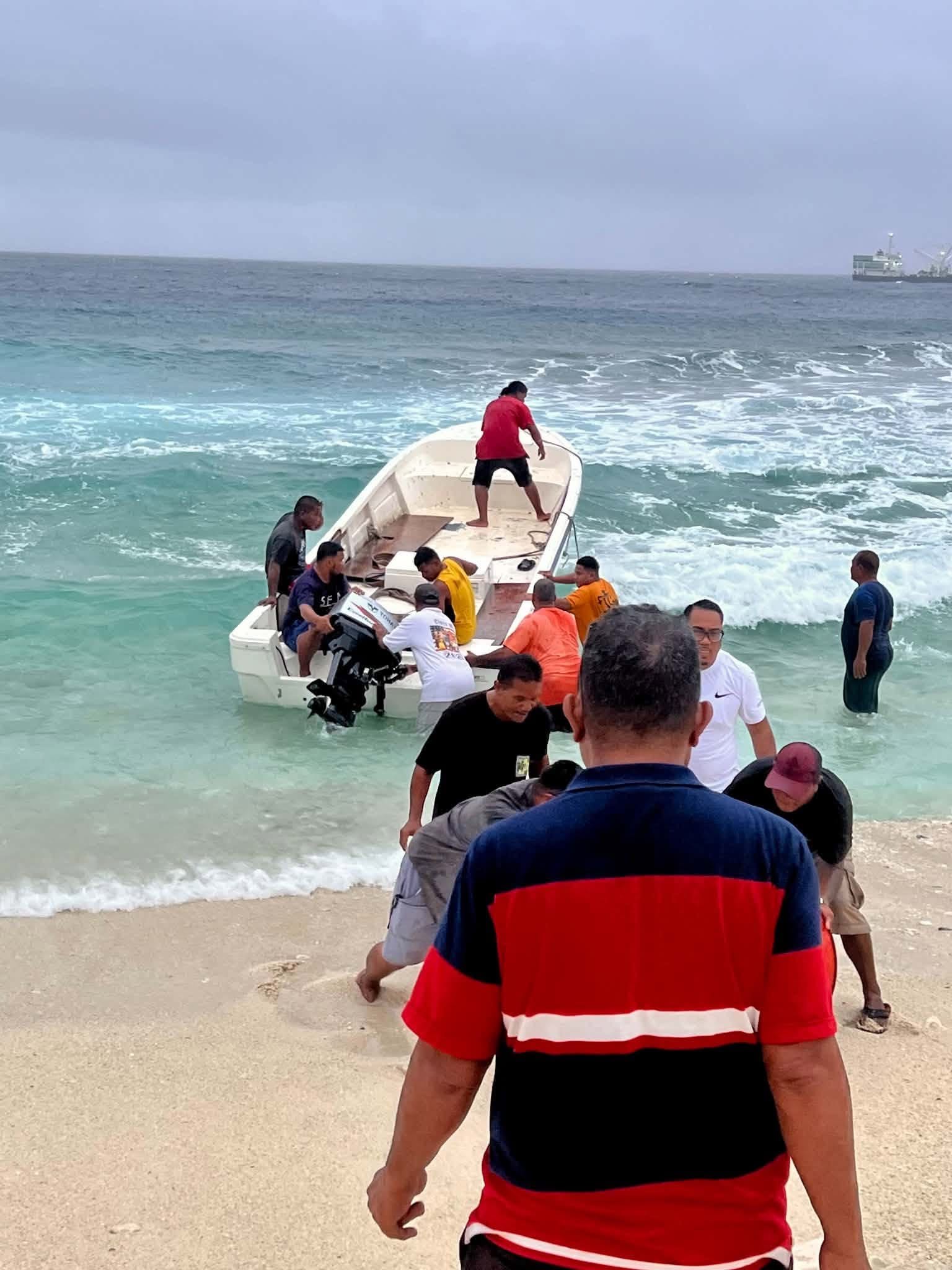
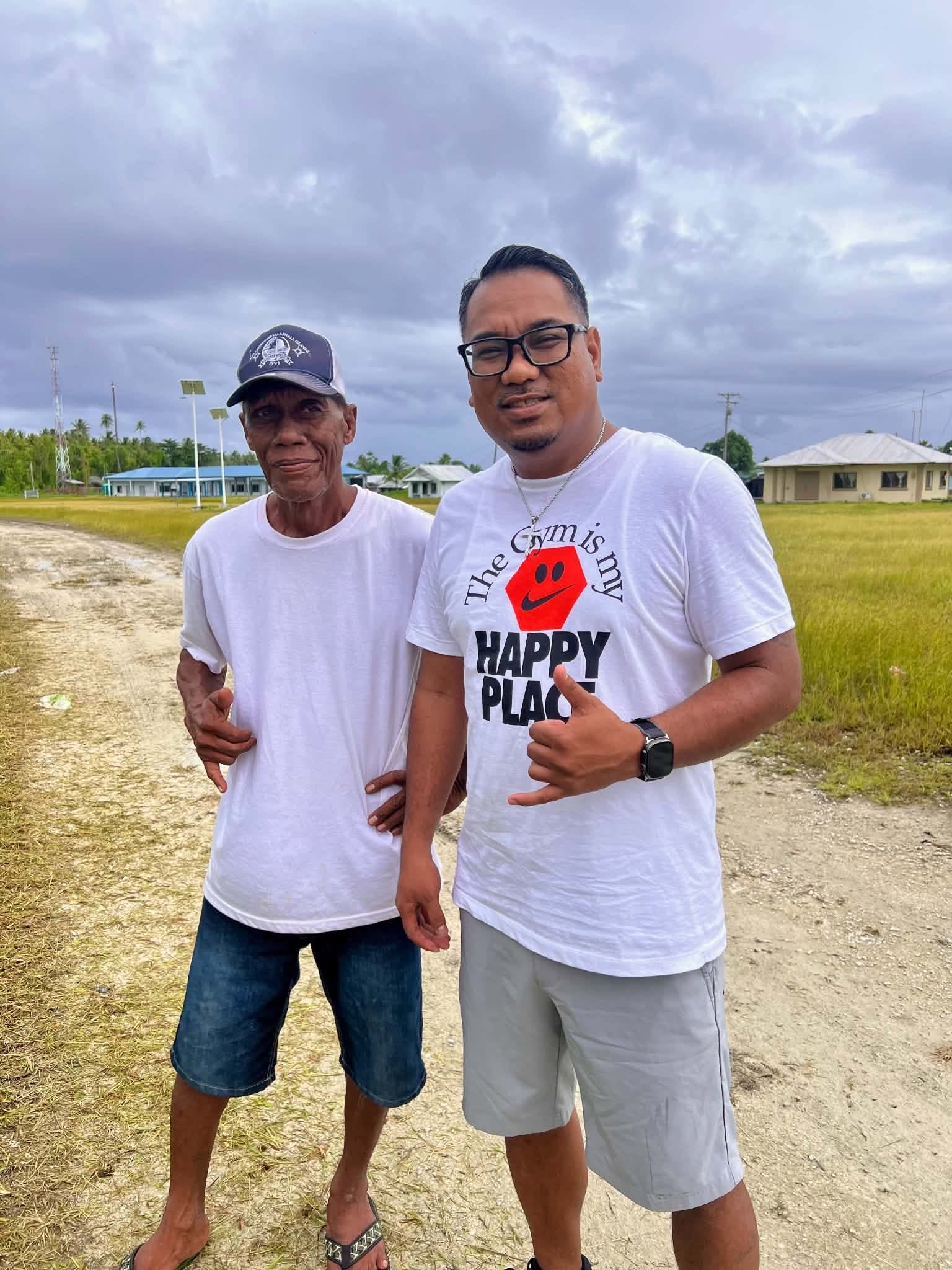
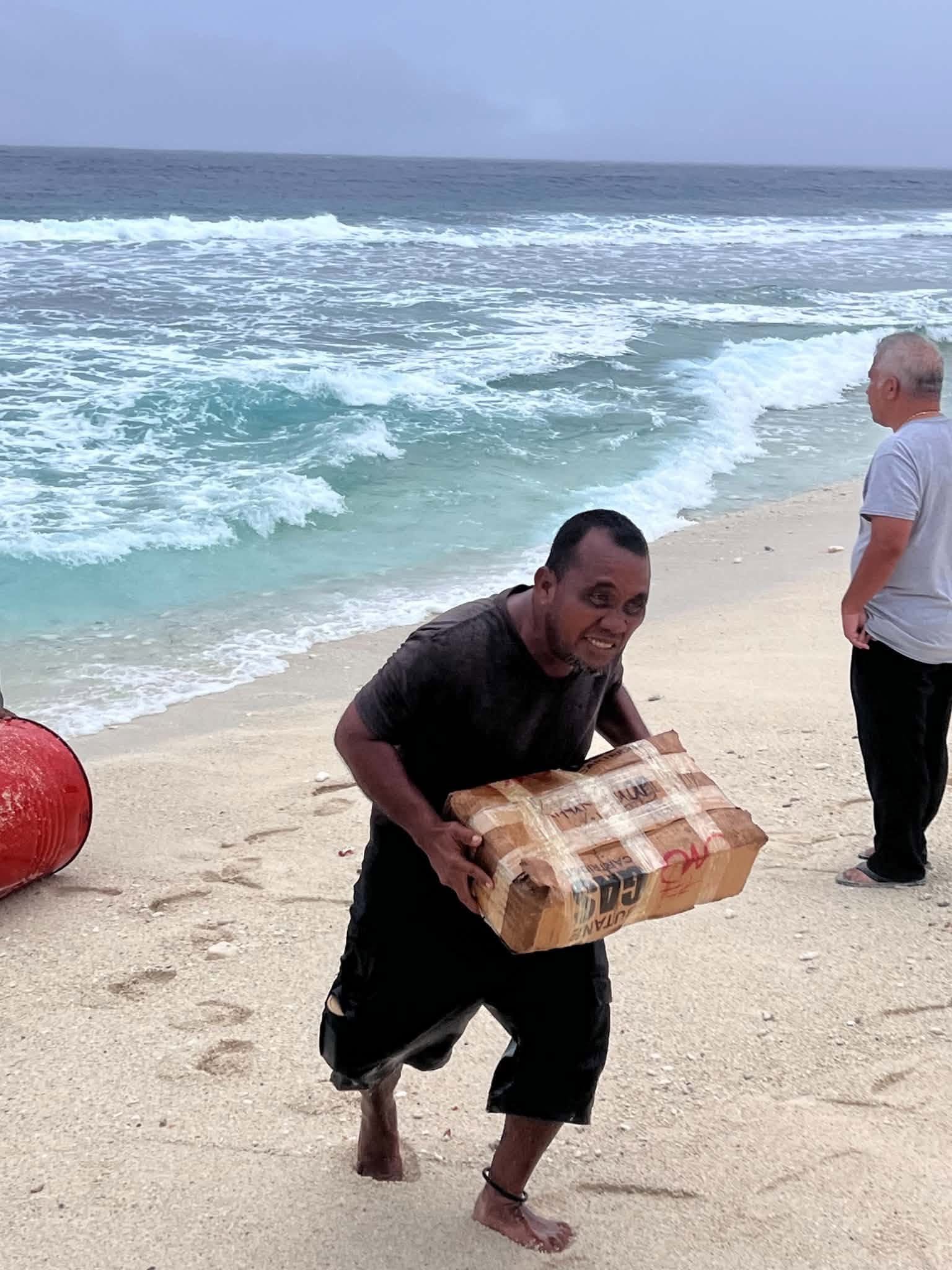

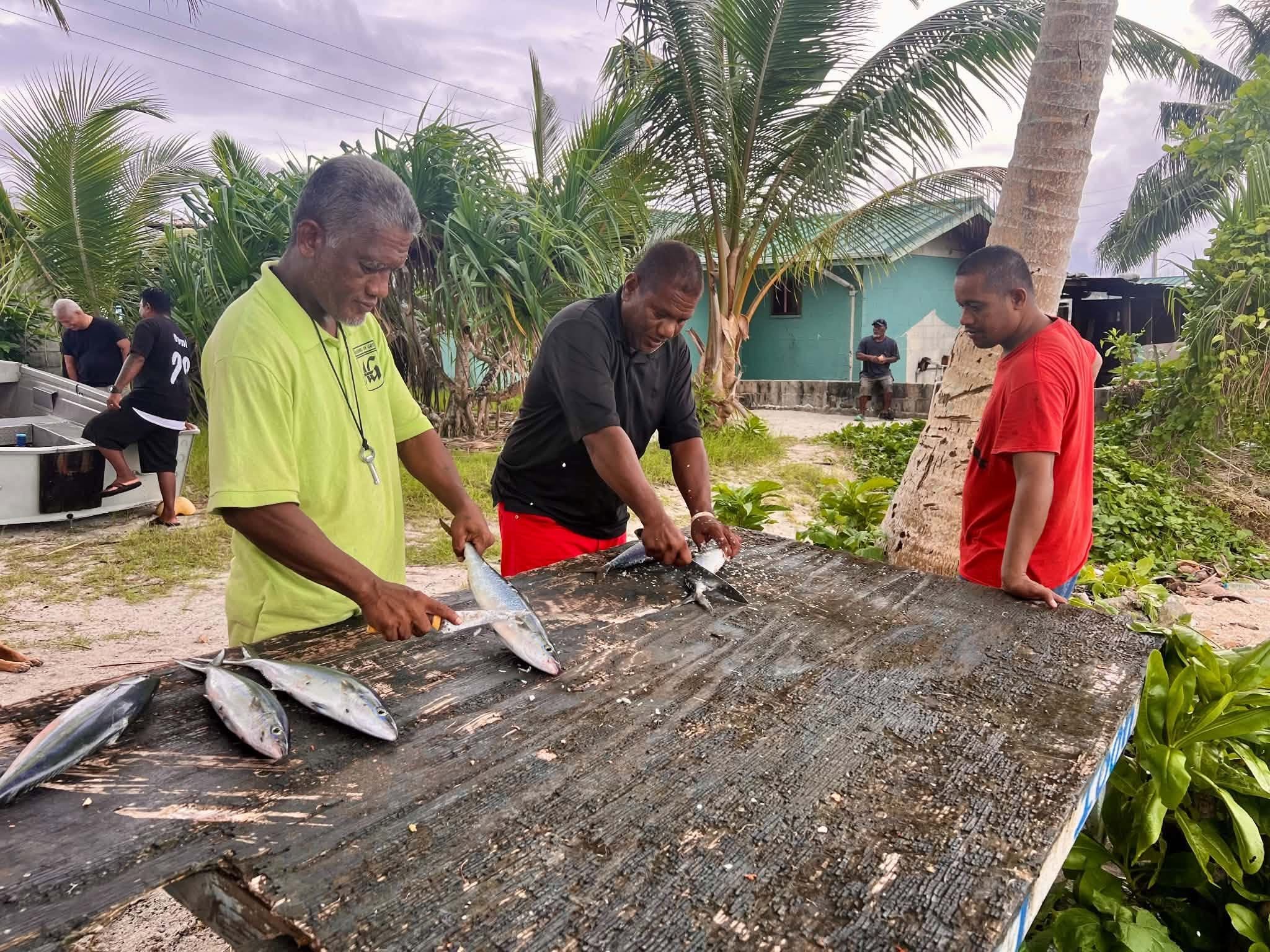
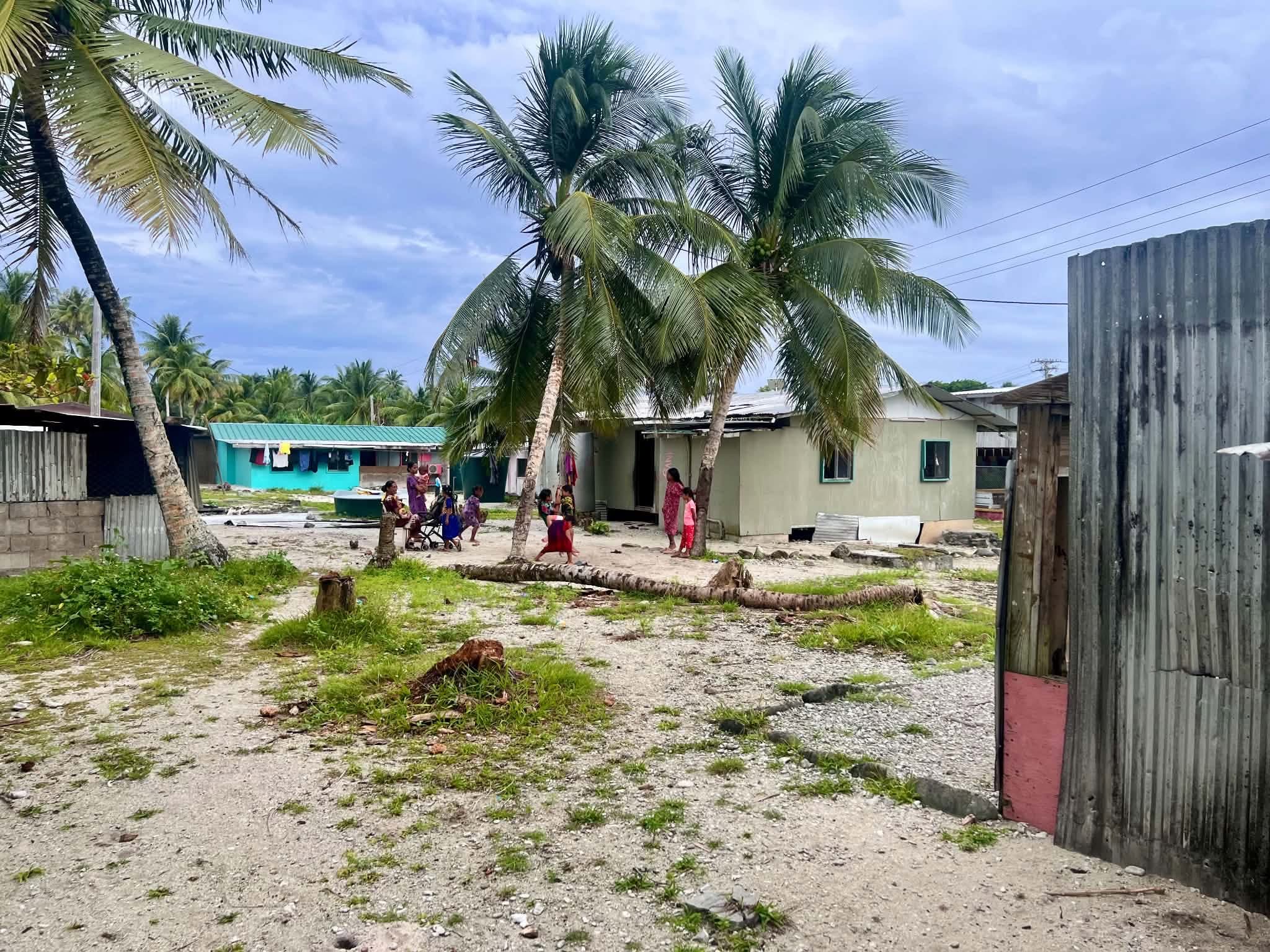
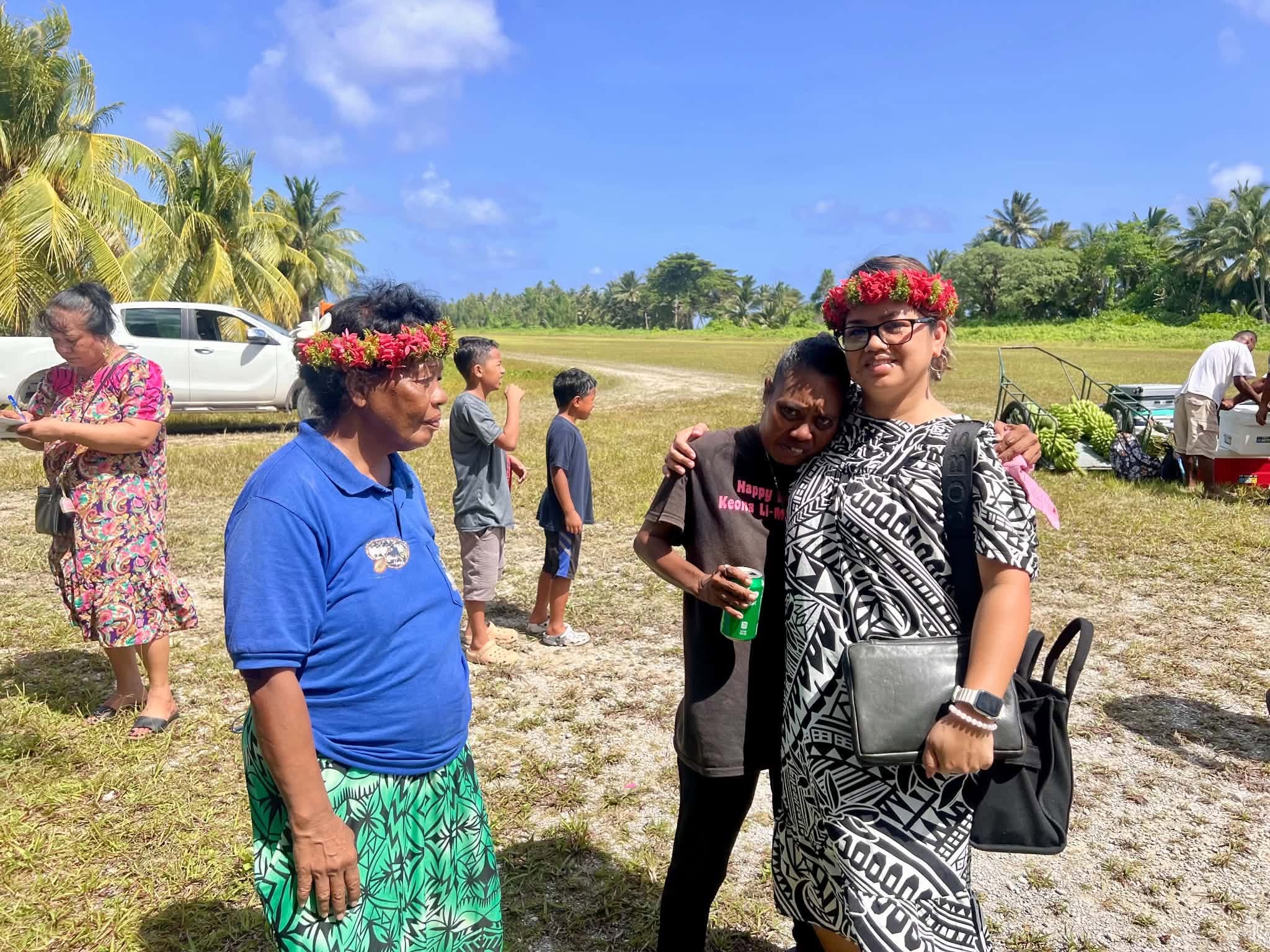
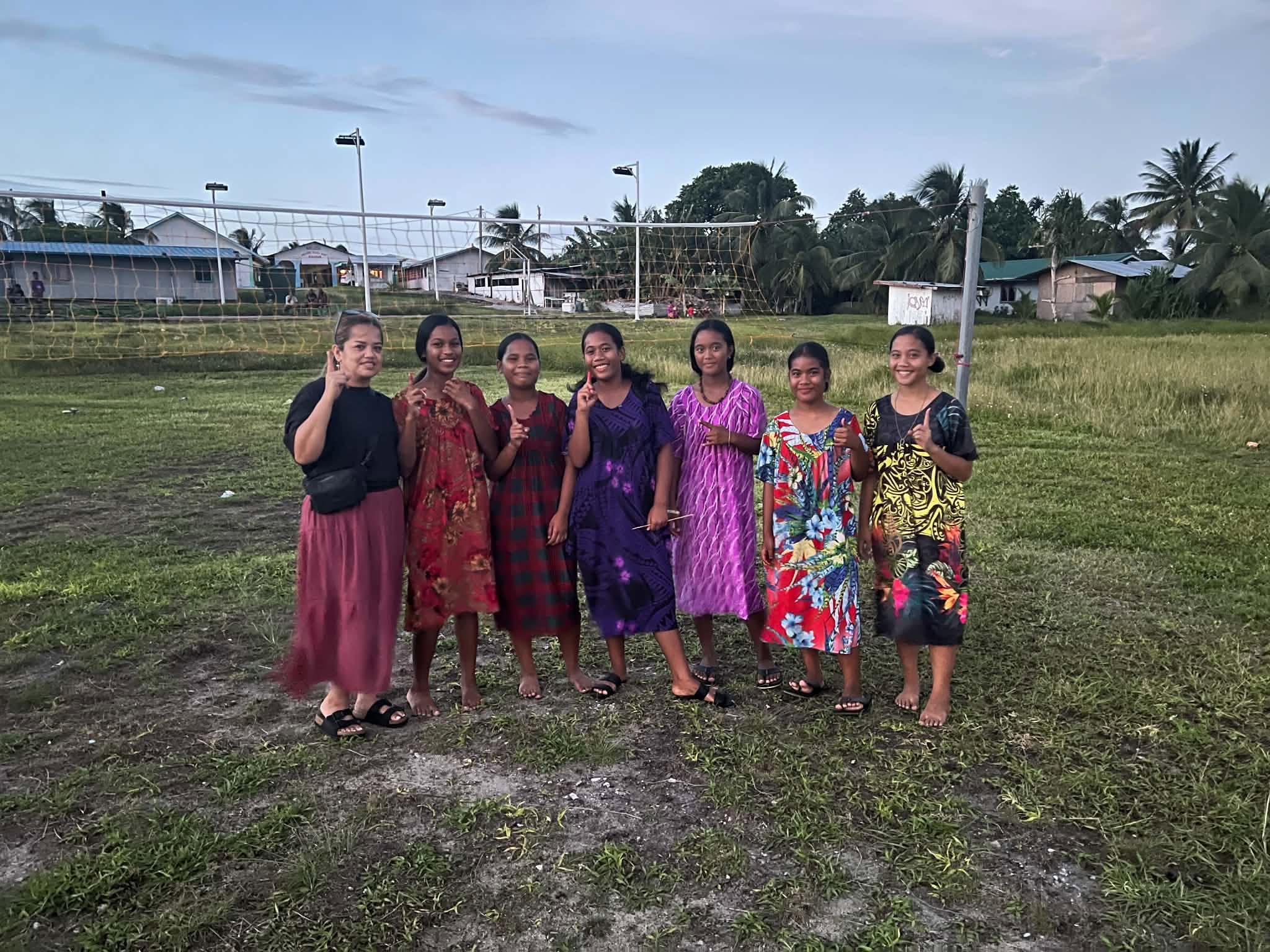
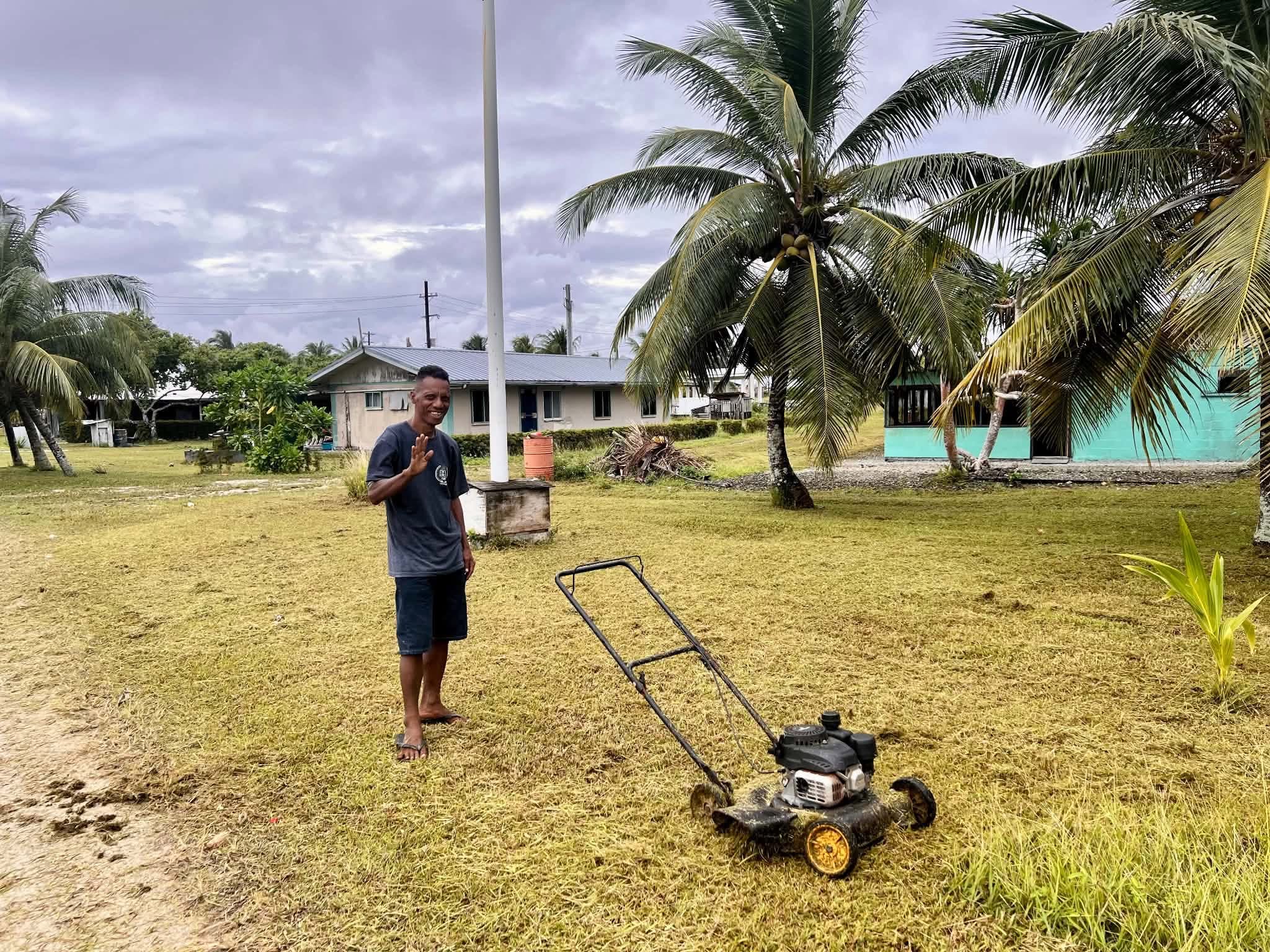
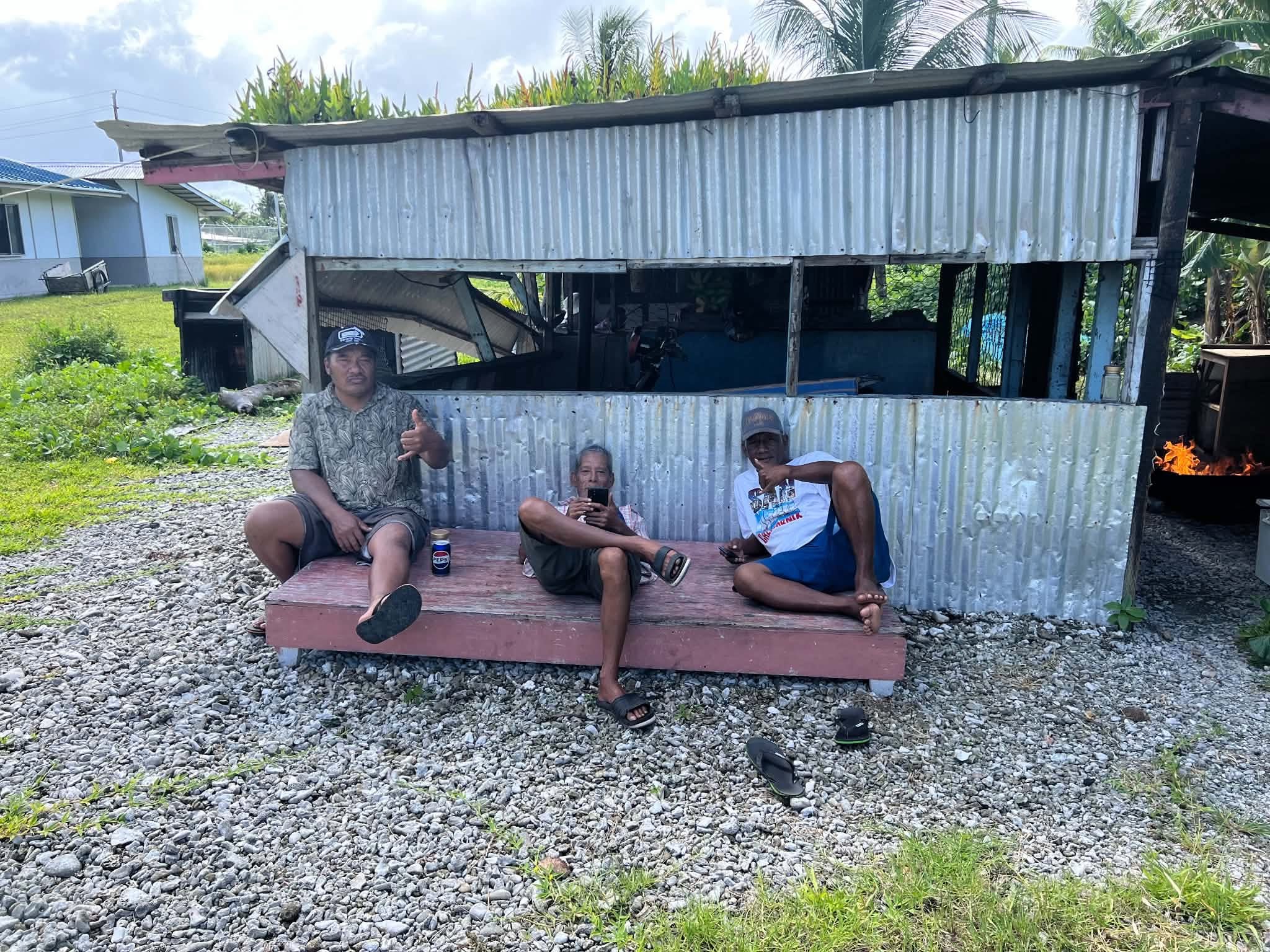
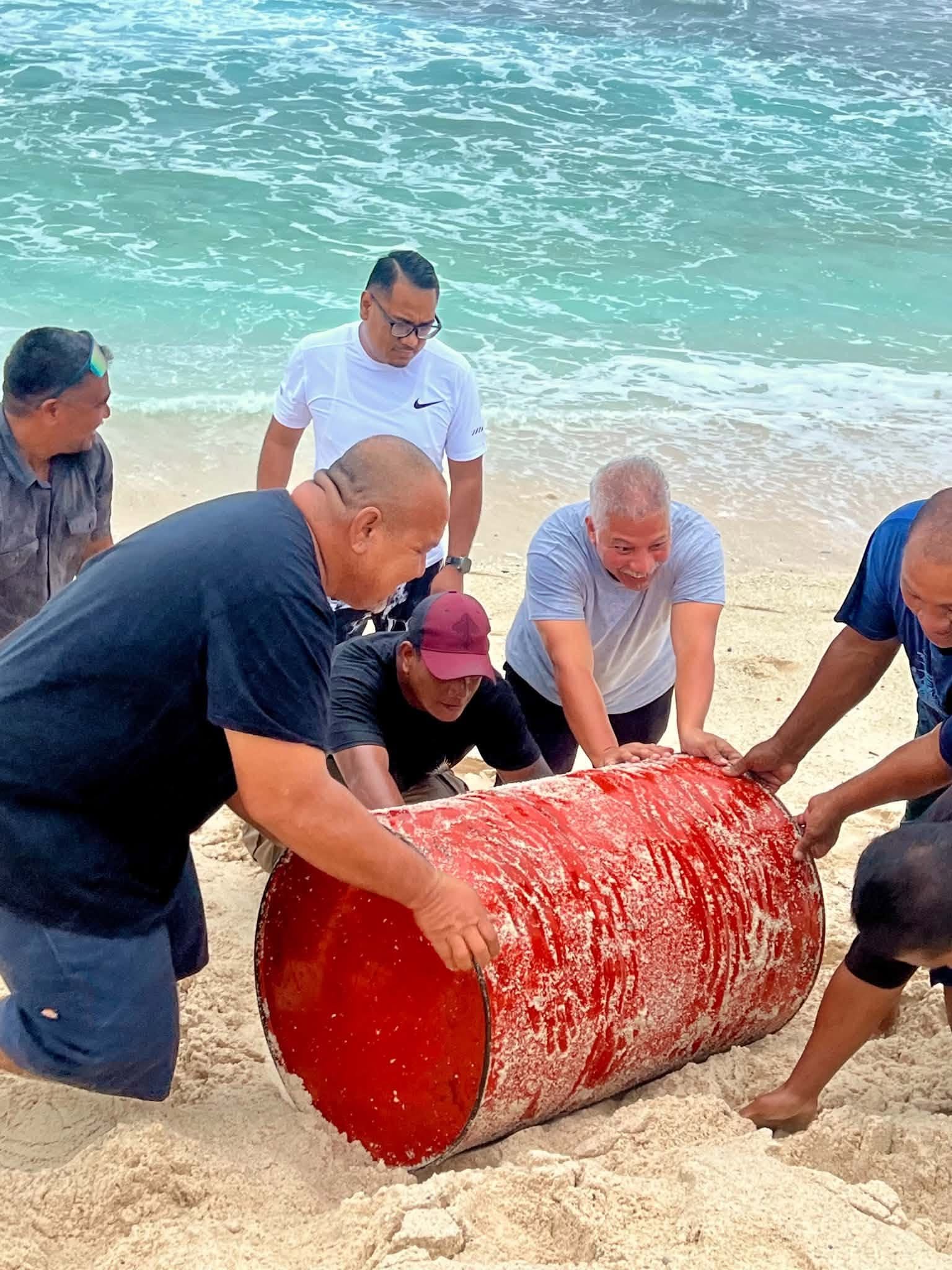
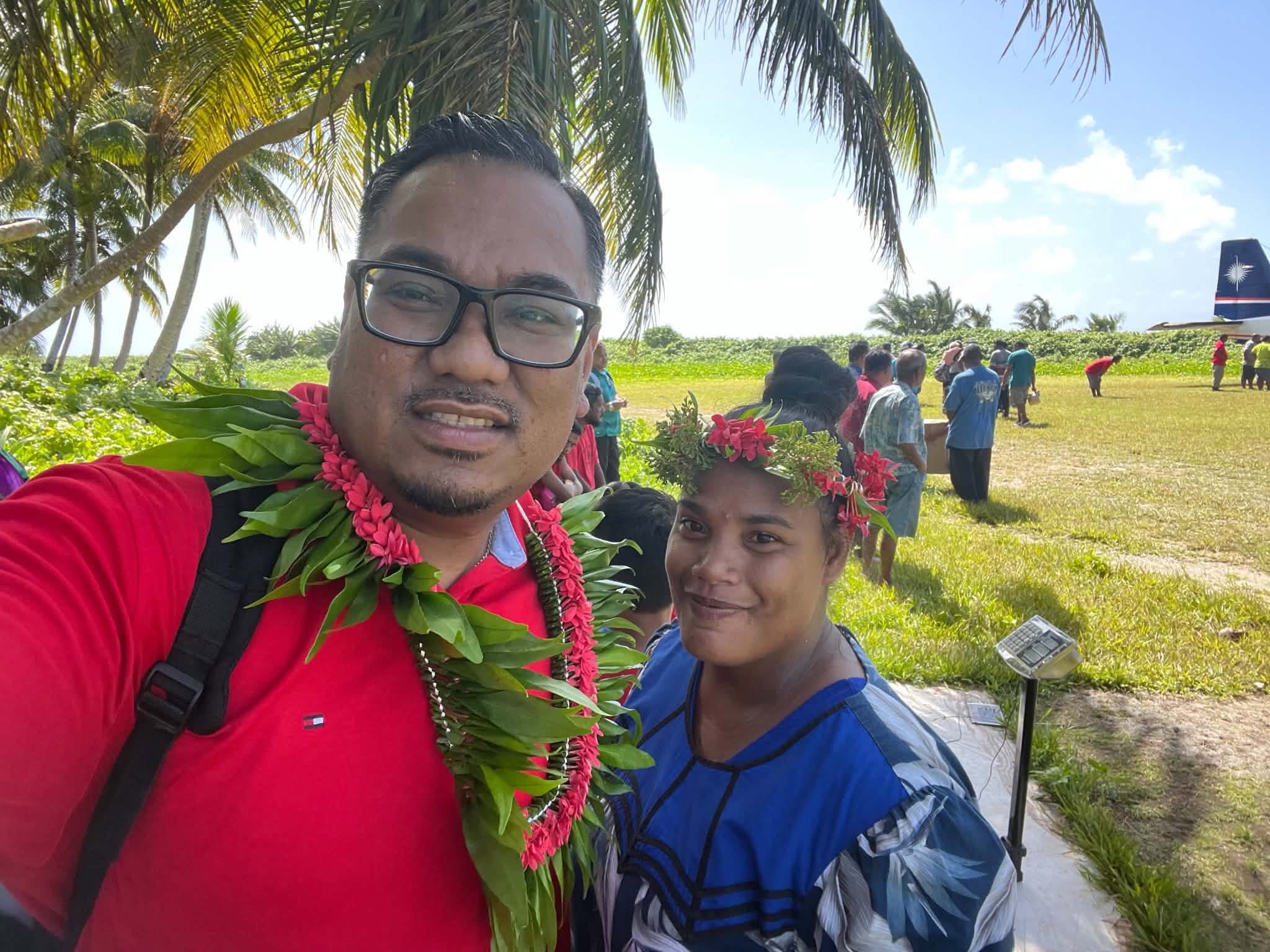
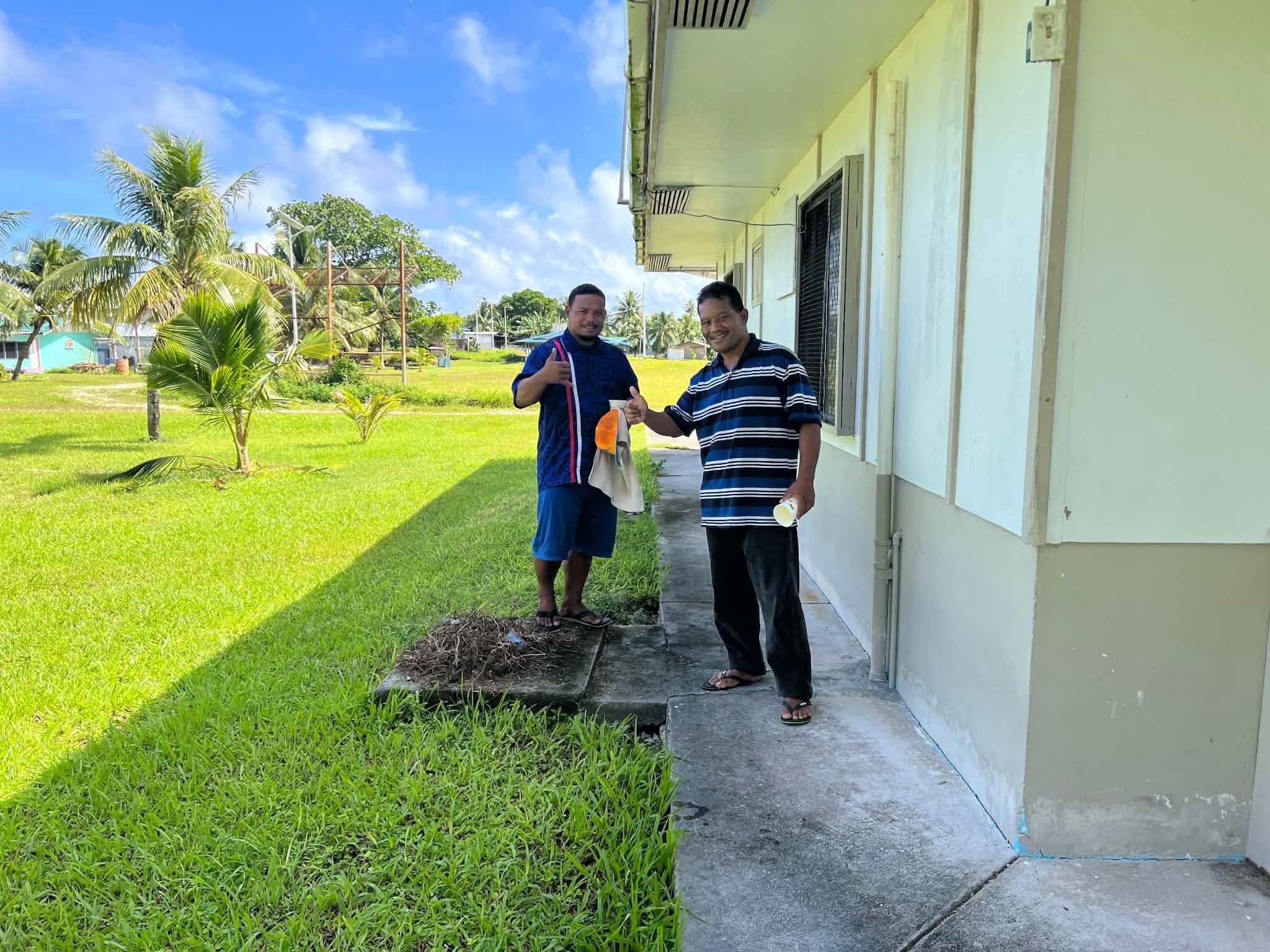
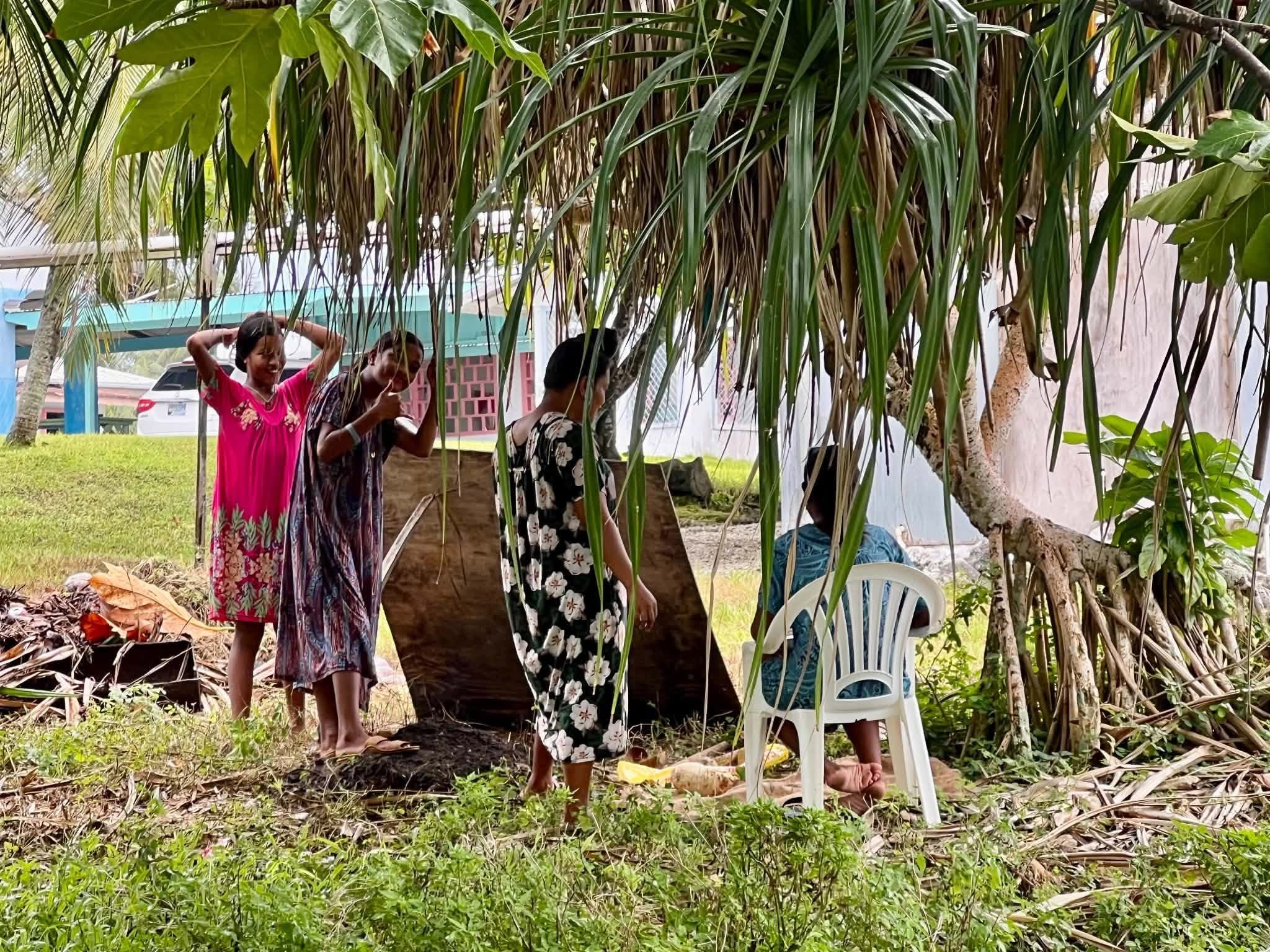
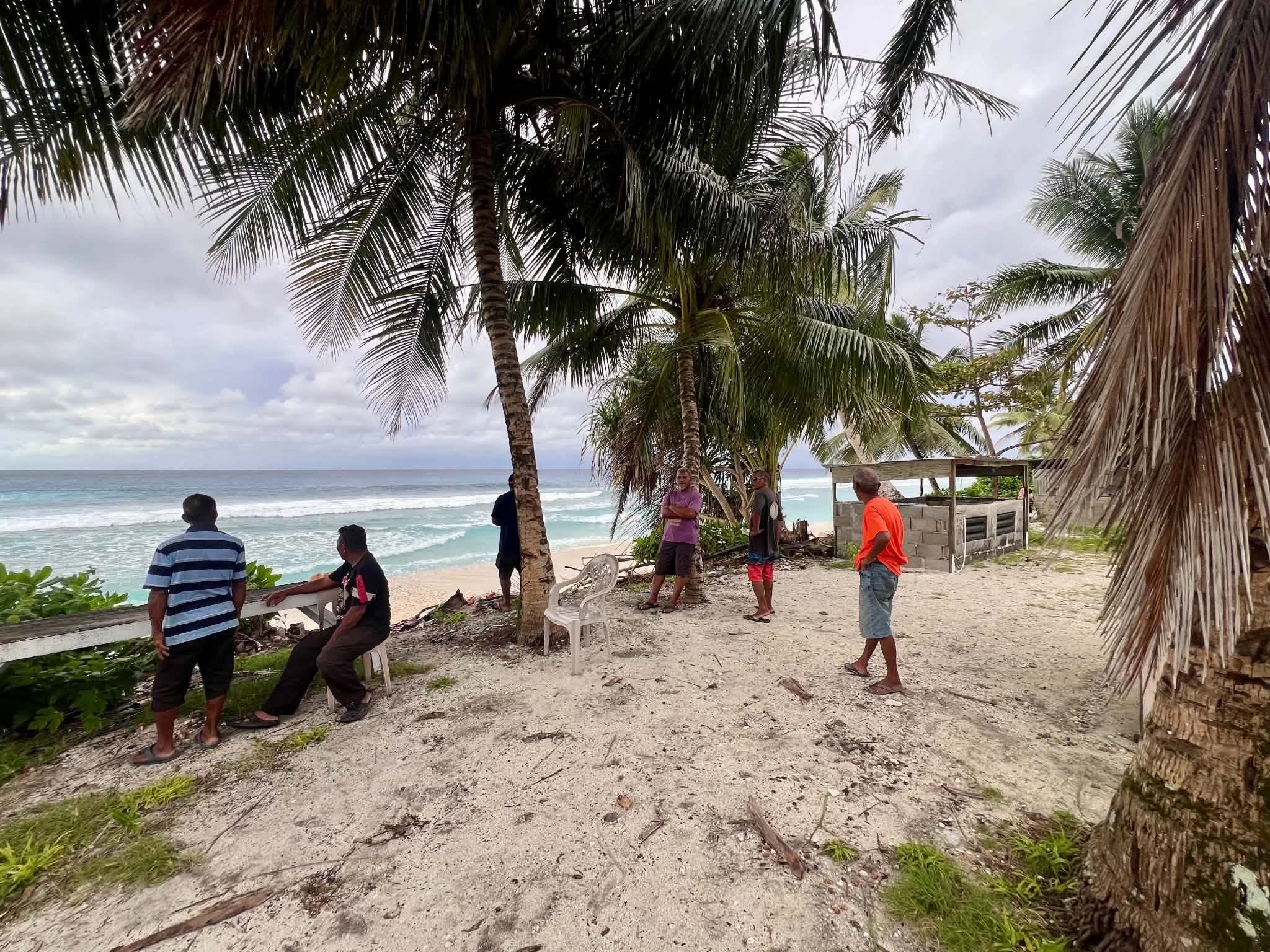
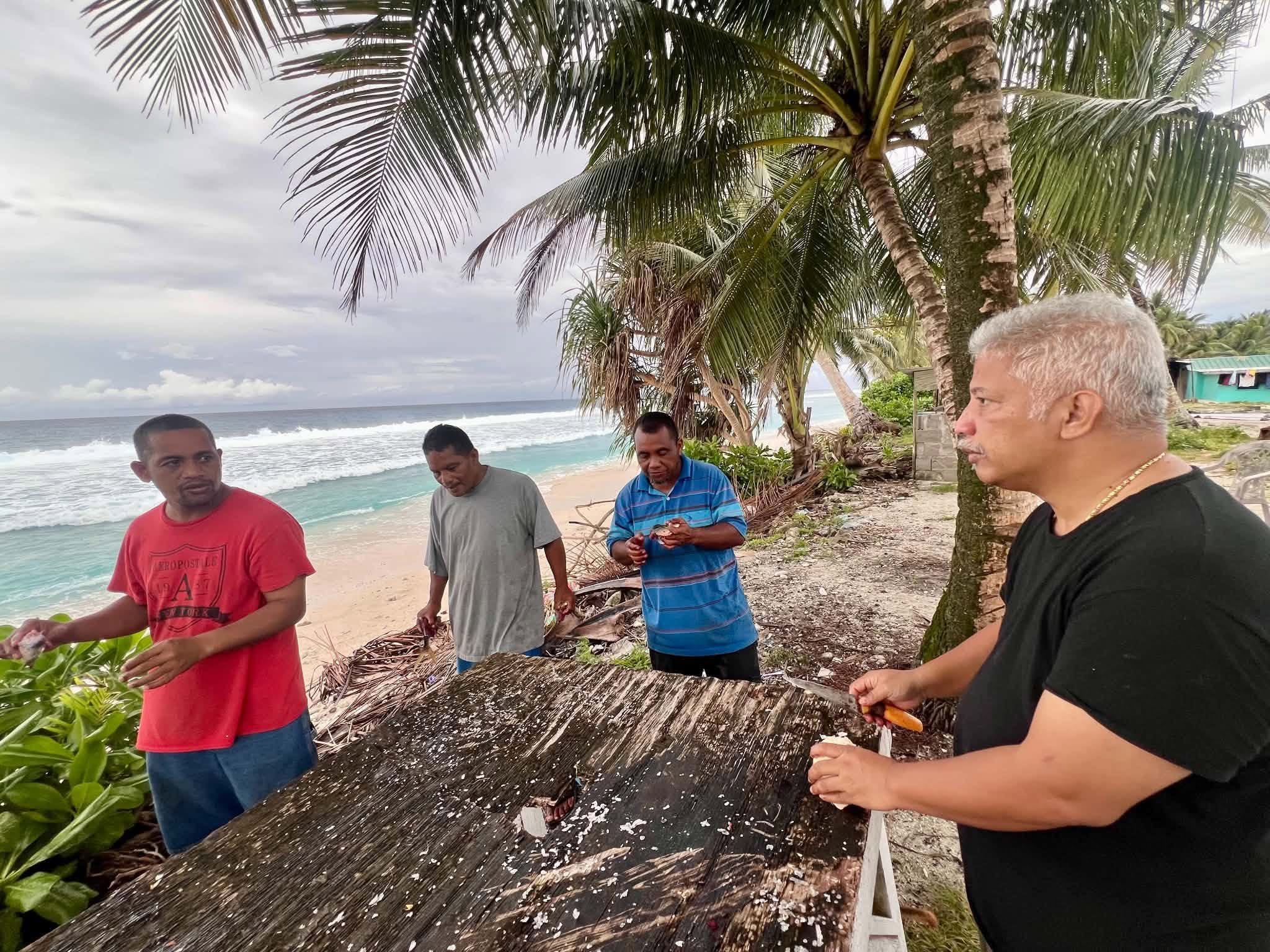
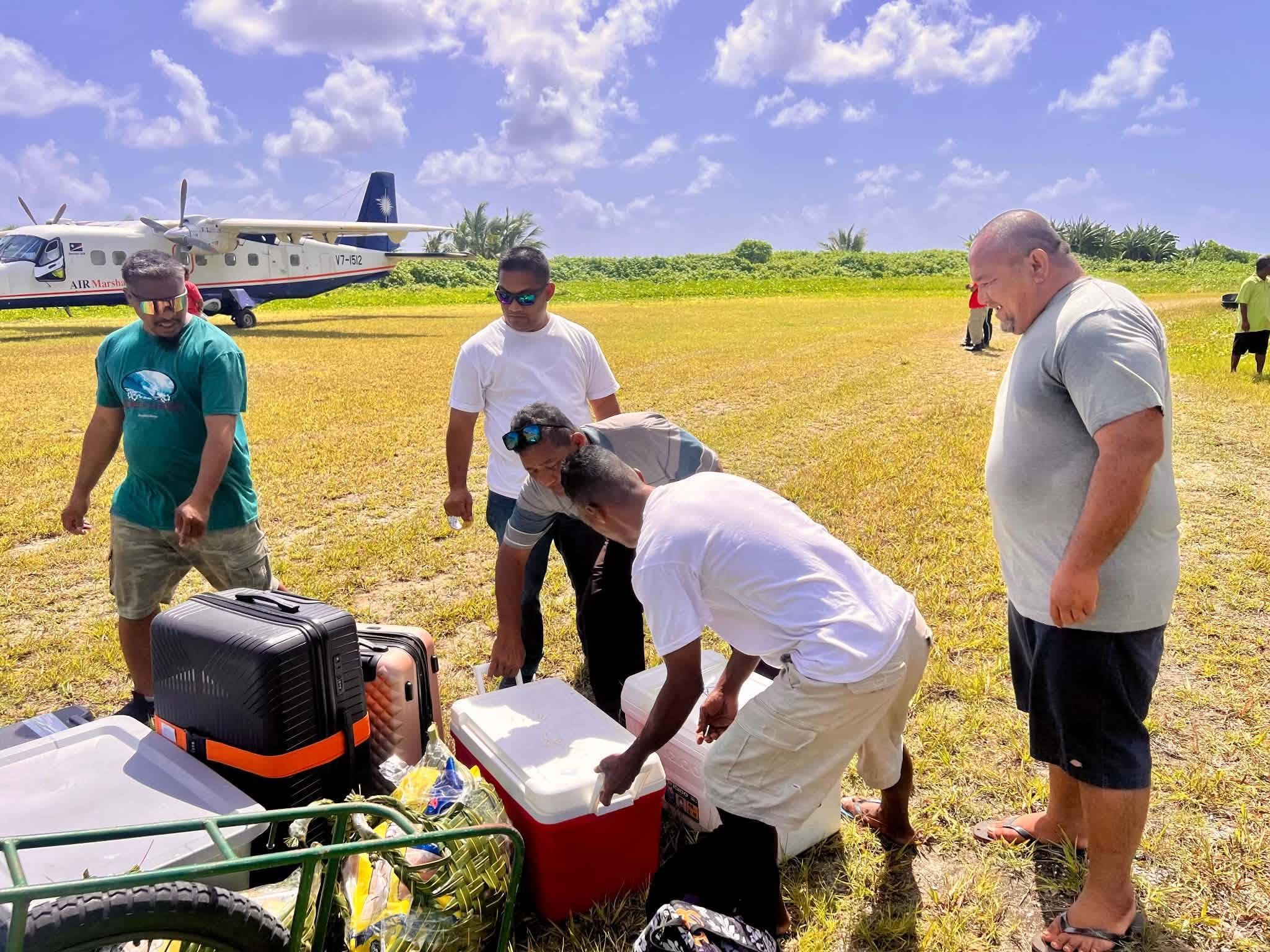
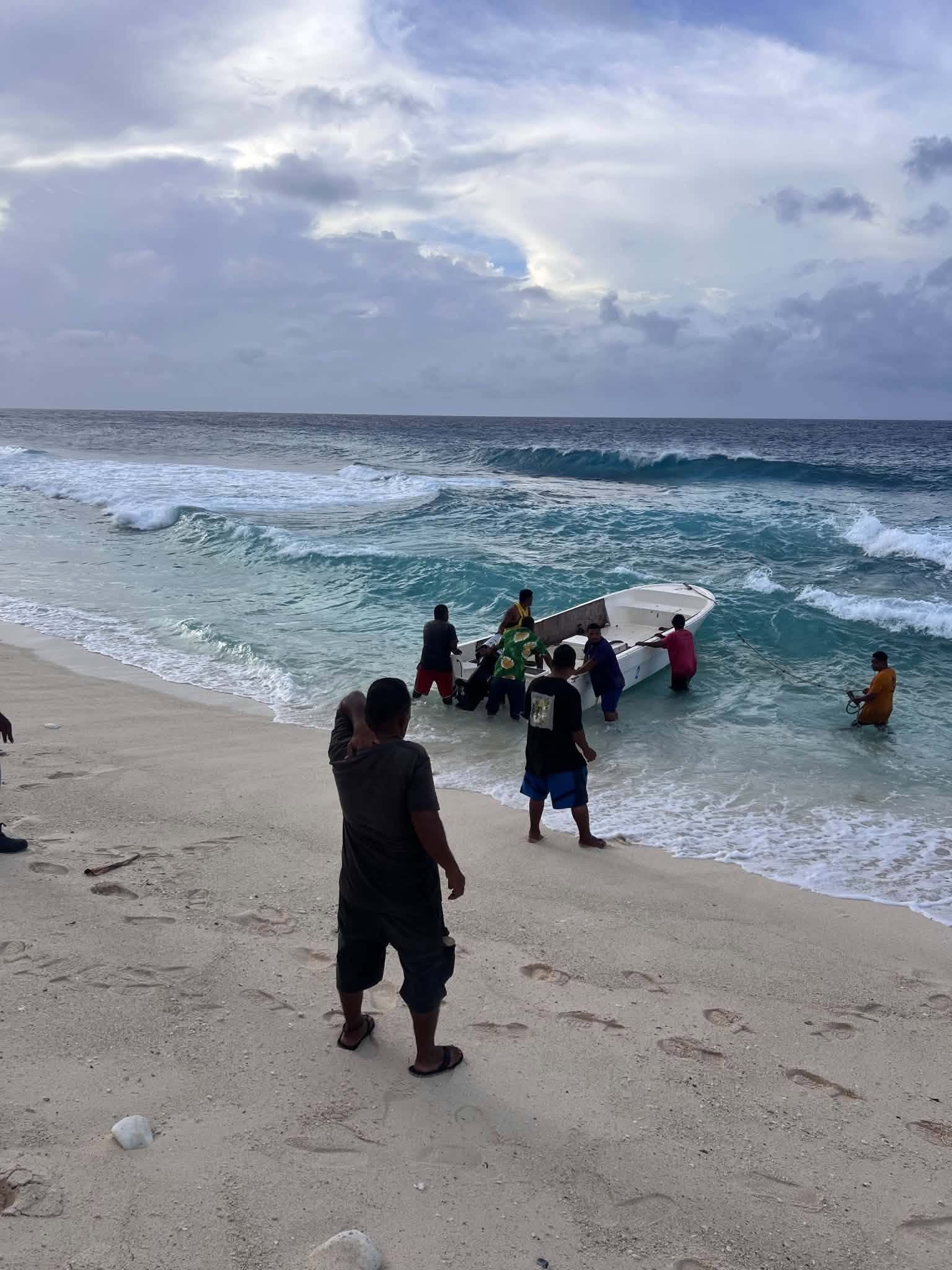
Kili Island, Christmas 2025
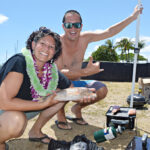
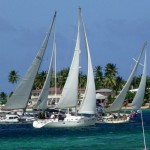
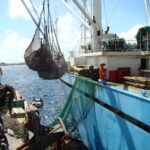
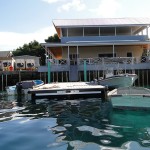
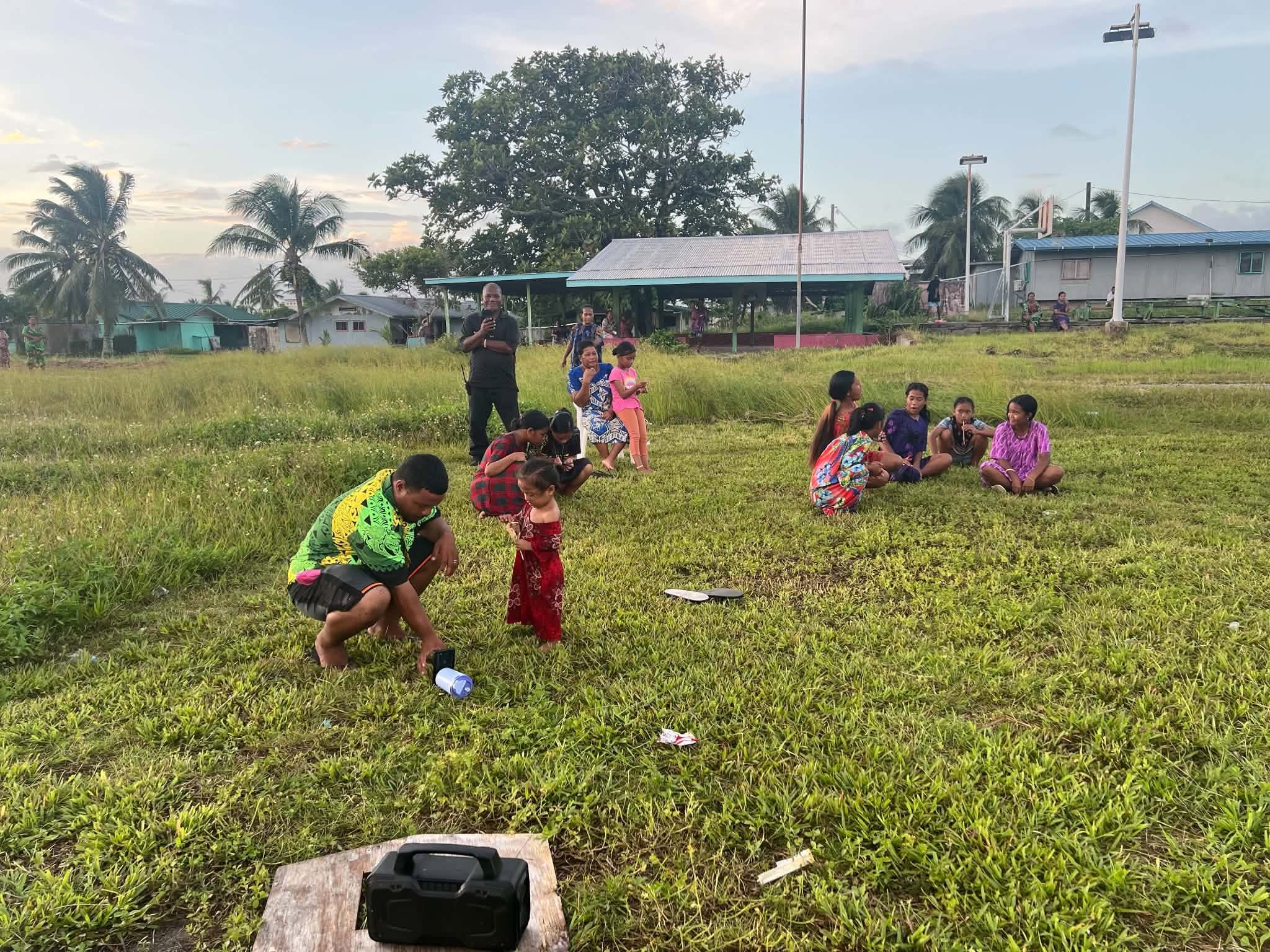
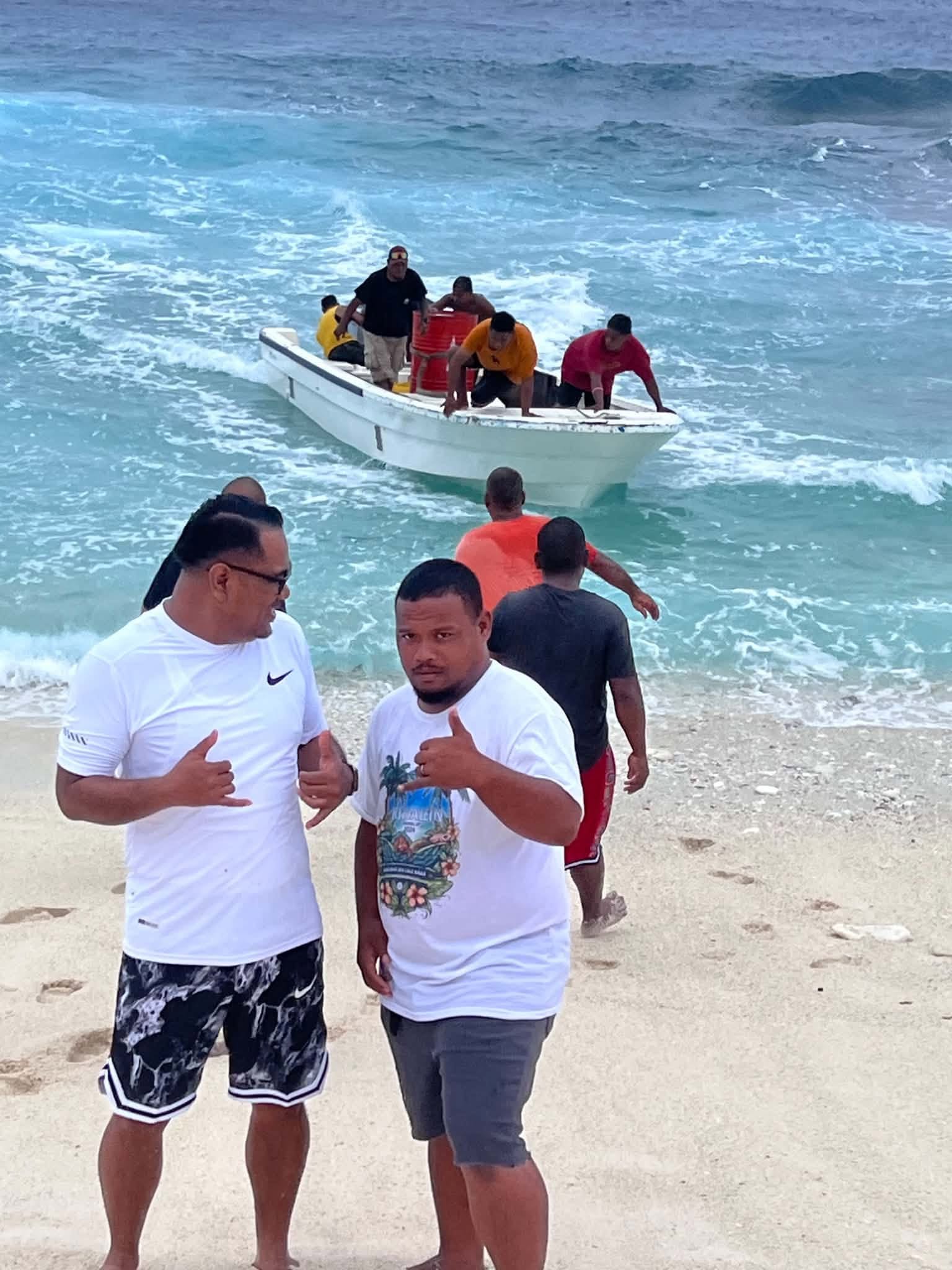
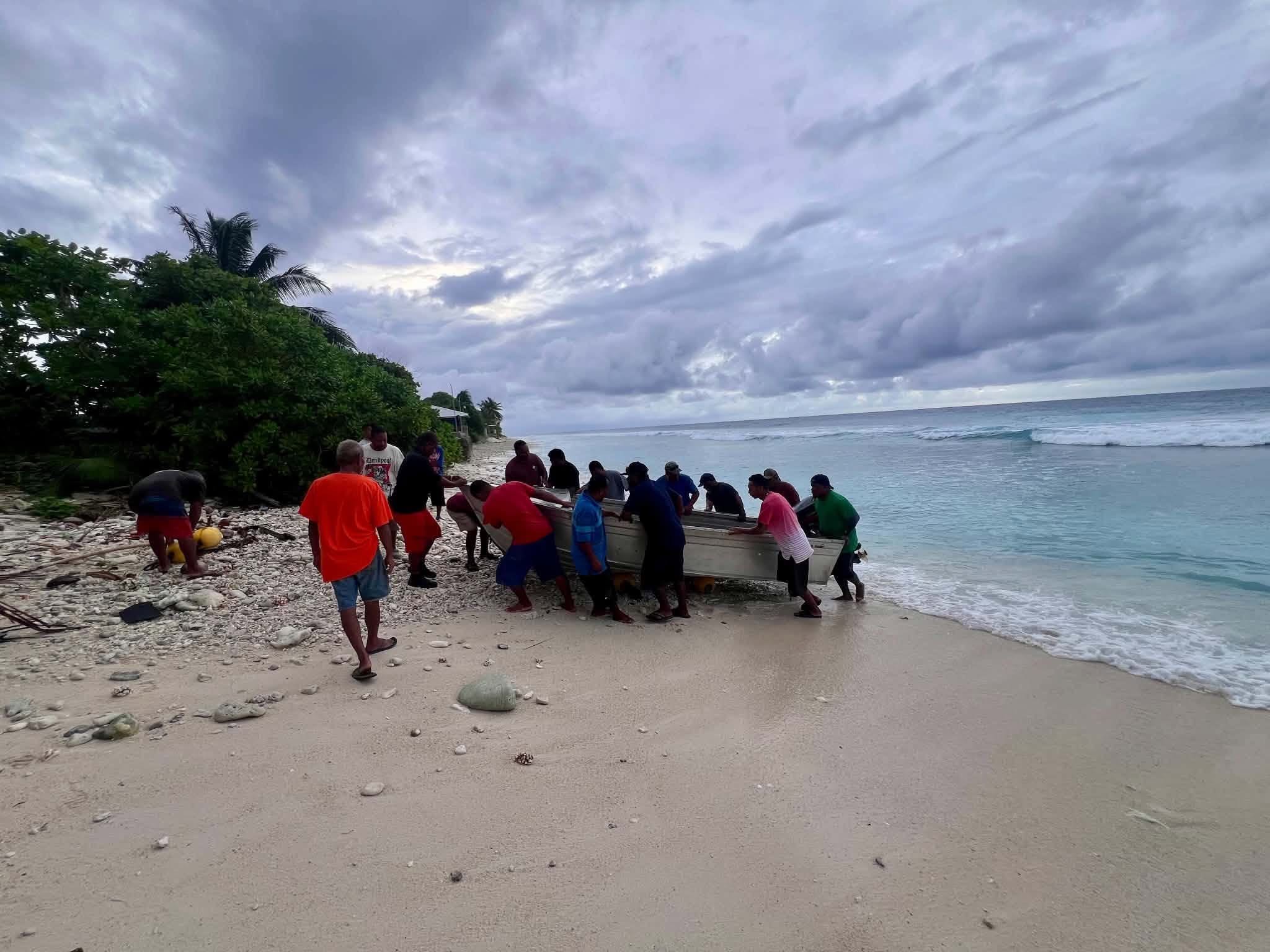
Photos: Minister Jess Gasper Jr. · Christmas 2025 · Kili Island

FACT FILE
Population: 415 (226 males, 189 females). Land Area: 0.36 square miles. Yacht permit fee: $25, but need to get permission from Bikini Atoll Local Government in Uliga (note, however, that it’s an unlikely yacht destination). Mayor: Tommy Irujiman Jibok. Member of Parliament: Jess Gasper Jr.

RNZ Interview
Bikini Islanders Homeless Again
A Radio New Zealand Pacific interview on the situation facing the Bikinian community on Kili Island.
 Radio New Zealand Pacific
Trouble listening? Open the audio file directly.
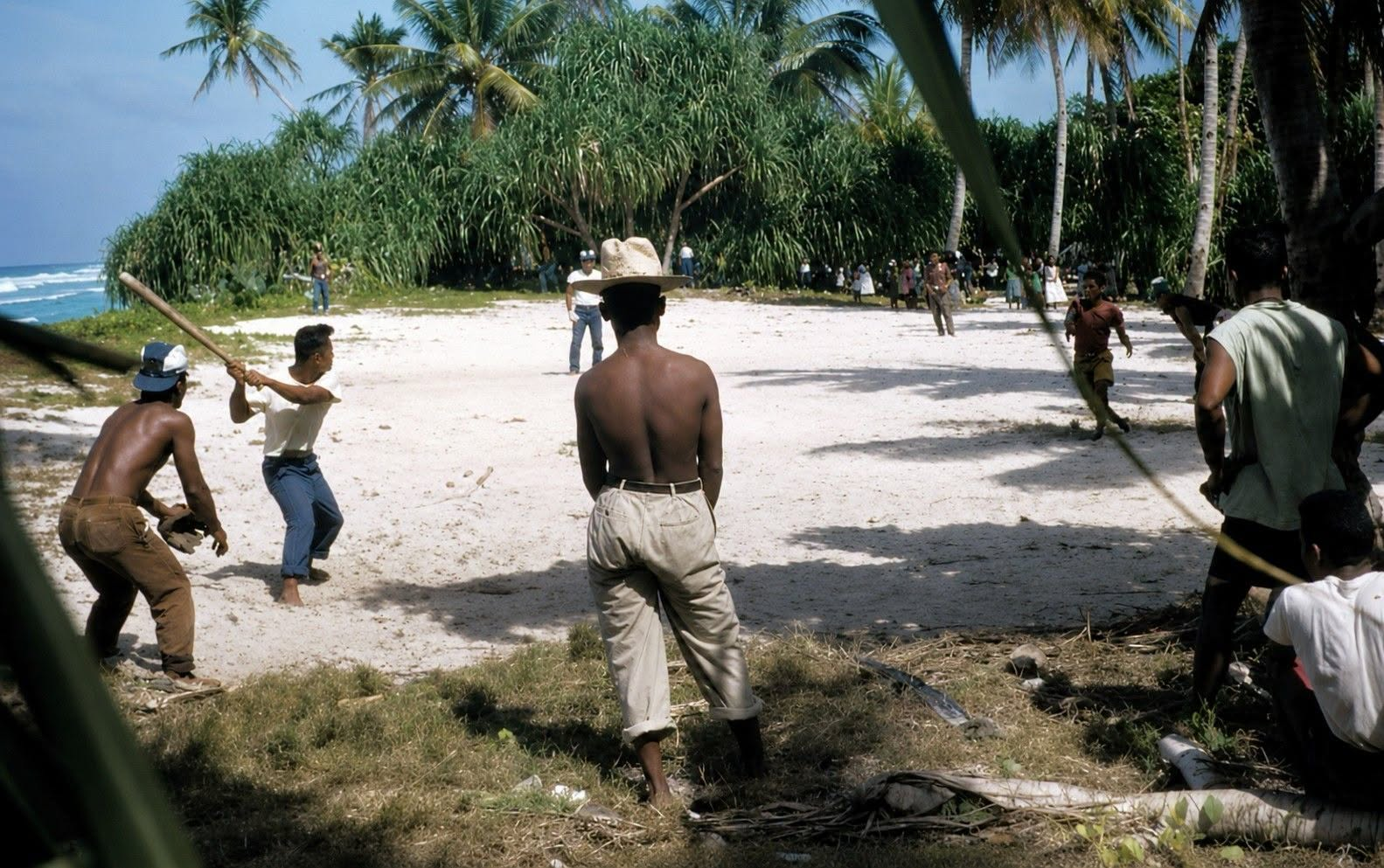
Kili Island, 1963
An energetic game of baseball in Kili. The shot was taken from west side of the playground. Photo by Robert Kiste (1936-2016). He was an anthropologist and later Director of the Center for Pacific Islands Studies at the University of Hawai'i at Manoa. The photo was taken during his 1963 fieldwork on Kili island with the relocated Bikinian community.
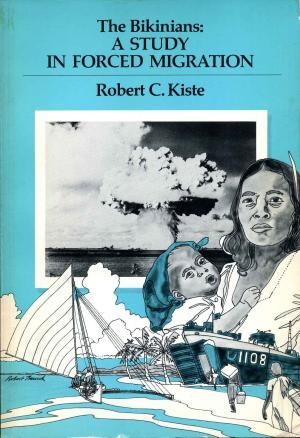
Book Corner
The Bikinians: A Study in Forced Migration — Robert C. Kiste (1974)
Anthropologist Dr. Robert C. Kiste's account of what happened to the people of Bikini Atoll after the U.S. military relocated them in 1946 to clear the atoll for nuclear weapons testing. Drawing on his own fieldwork with the community, Kiste traces the Bikinians' repeated moves — from Bikini to Rongerik, then Kwajalein, and finally to Kili Island in 1948 — and documents how displacement reshaped their subsistence, social organization, and culture. Published in the Kiste and Ogan Social Change Series in Anthropology, it remains one of the earliest full-length scholarly studies of the Bikini relocation and a foundational source on Kili's history.
Long out of print, but findable: read it free (with a free account) on the Internet Archive, or look for a used copy via AbeBooks, ThriftBooks, or Amazon. WorldCat can point you to the nearest library holding a copy.