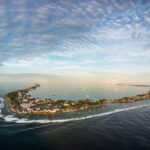
Health care in the Marshall Islands is both a national priority and a national challenge. Delivered across a vast ocean territory of 29 atolls and five islands, the system serves a population of around 42,000 people through a network of hospitals, clinics, specialist programs, and community health workers — all under the umbrella of the Ministry of Health and Human Services (MoHHS).
The Ministry of Health and Human Services
The Constitution of the Republic of the Marshall Islands designates the Ministry of Health as the “State” health agency. This means it carries full constitutional responsibility for the health of the nation.
The MoHHS oversees everything from hospital services and public health programs to environmental health, mental health, family planning, and medical referrals. It is one of the largest and most complex ministries in the RMI government, and along with the Ministry of Education, it is one of the two biggest recipients of funding from the United States through the Compact of Free Association (COFA).
The Two Hospitals
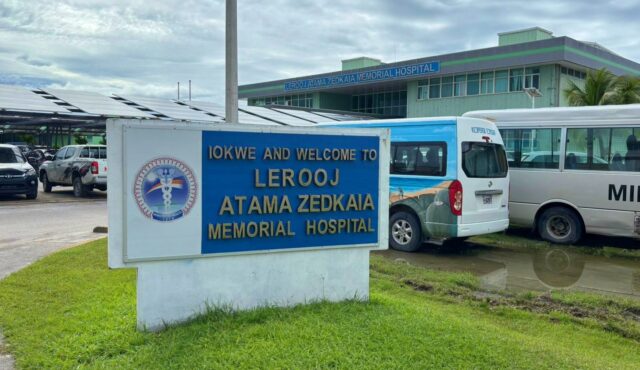
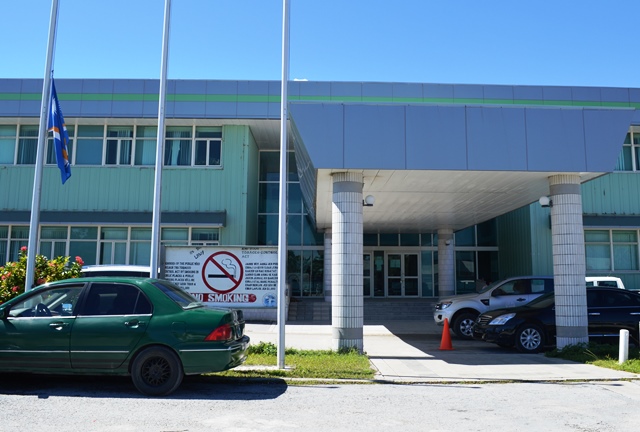
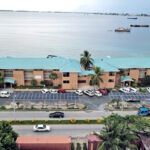
The RMI health care system has two hospitals: the Lerooj Atama Medical Center in Majuro and the Lerooj Kitlang Health Center on Ebeye. Both are commonly known by their simpler names — Majuro Hospital and Ebeye Hospital.
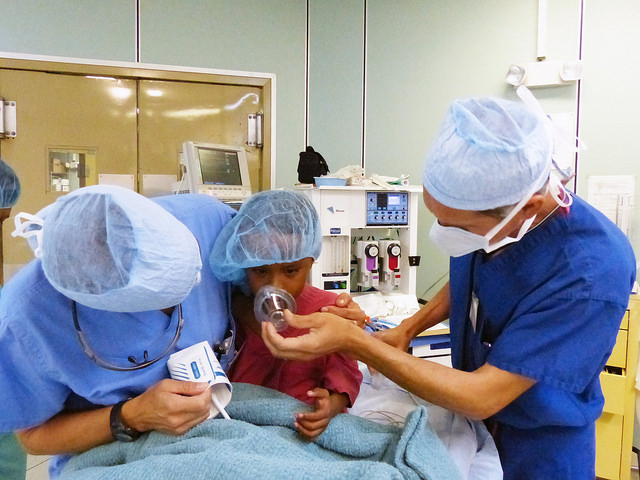
Both hospitals provide primary and secondary care, but limited tertiary care. Patients who need tertiary care are referred to Honolulu or the Philippines. Services at both facilities include emergency care, outpatient clinics, pharmacy, laboratory, radiology, rehabilitation, and medical records.
The Outer Islands
Health Assistants and Community Health Councils
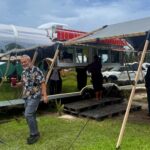
There are 59 health centers across the RMI’s outer atolls and islands. Health centers in the outer islands are the focus for preventative, promotive, and essential clinical care services, and all are permanently staffed by full-time Health Assistants. These Health Assistants are locally trained community members who serve as the primary health care providers for their islands, often the only medical resource available to their communities.
MoHHS works in conjunction with Community Health Councils (CHCs) in the outer islands, ensuring community participation in health care and that communities beyond the urban centers are involved in the provision of health services.
For outer island patients requiring specialist or emergency care, telehealth is available in the form of radio communication with Lerooj Atama Medical Center in Majuro. The RMI has approximately 90–120 off-island referrals annually, mostly related to cancer, congenital issues, and orthopedic surgeries.
The Four Atoll Healthcare Program: A Nuclear Legacy
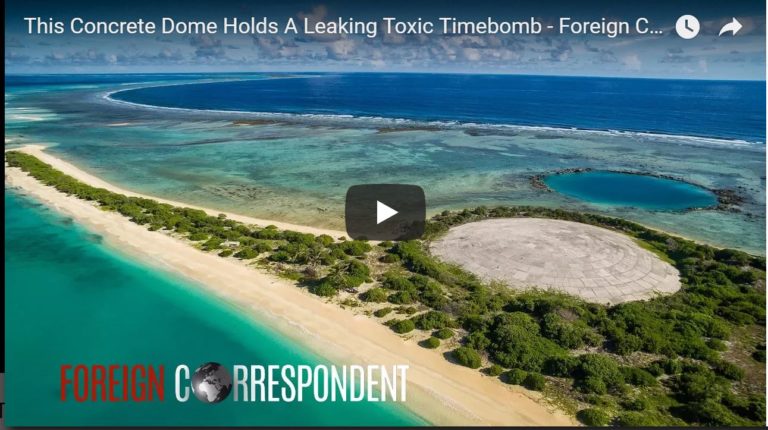
A uniquely significant part of the Marshall Islands health system is the Four Atoll Healthcare Program — also known as the Section 177 Healthcare Program.
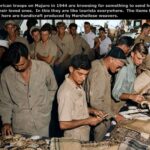
This program provides primary and ancillary healthcare services to the nuclear-affected communities of Bikini, Enewetak, Rongelap, and Utrok — including support for women’s and children’s wellness, vision, vaccinations, screening for communicable diseases, and education and outreach on non-communicable diseases.
The program is funded by the U.S. Department of the Interior and has received annual assistance since 2005.
The Health Crisis: Non-Communicable Diseases
The Marshall Islands faces a severe public health crisis driven by non-communicable diseases (NCDs). The Republic of the Marshall Islands has the third highest prevalence of diabetes in the world, with high rates of complications and early mortality. Related conditions such as kidney failure, hypertension, and obesity are disproportionately common, and many of these illnesses are linked to the disruption of traditional diets, when subsistence foods were replaced by imported processed staples like white rice, flour, and sugar.
The leading NCD contributors to illness and death are cardiovascular disease, diabetes, and cancer. The region also has among the highest prevalence of obesity in the world, with some communities reporting rates as high as 90% among adults. Tuberculosis, hepatitis B, and leprosy also remain ongoing concerns.
Funding and the Compact of Free Association
Health care in the Marshall Islands is heavily reliant on external funding. The U.S. government provides significant funding for health and health system development through the Department of the Interior, which administers Compact funding, and the RMI is also eligible for grants from the U.S. Department of Health and Human Services.
Basic public health care is available to all RMI residents for a small co-pay of approximately $5 for all services.
Looking Ahead
The Marshall Islands health system operates under conditions that would challenge any nation — geographic isolation, a heavy disease burden, limited specialist capacity, and the long shadow of nuclear testing. Yet it continues to deliver care from the hospitals of Majuro and Ebeye to the most remote outer atolls. MoHHS has been working to move toward a more integrated and sustainable health system, with a focus on building workforce capacity, improving nurse training, and strengthening community health networks.